Introduction
Dramatic Arts: Everything Grade 9 Students Need to Know
Dramatic Arts isn’t just about acting—it’s a deep dive into storytelling, performance, and the craft behind theater. In South Africa, this subject takes center stage in high schools from Grade 10 through Grade 12, with the National Curriculum and Assessment Policy Statement (CAPS) setting the rules for what students must master.
For Grade 9, the stakes aren’t as high as final exams, but the foundation matters. These early years shape how students approach performance, script analysis, and creative expression. The best way to prepare? Dive into past papers.
—
The right practice makes perfect. These aren’t just random questions—they’re the real deal. They map out exactly what to expect: the weight of each section, the kind of responses that score top marks, and the time you’ll need to pull it off. A student who treats these papers like rehearsals will walk into their exam with confidence, not panic.
Here’s where to find them:
2022 Paper 1 – The first test of your skills
—
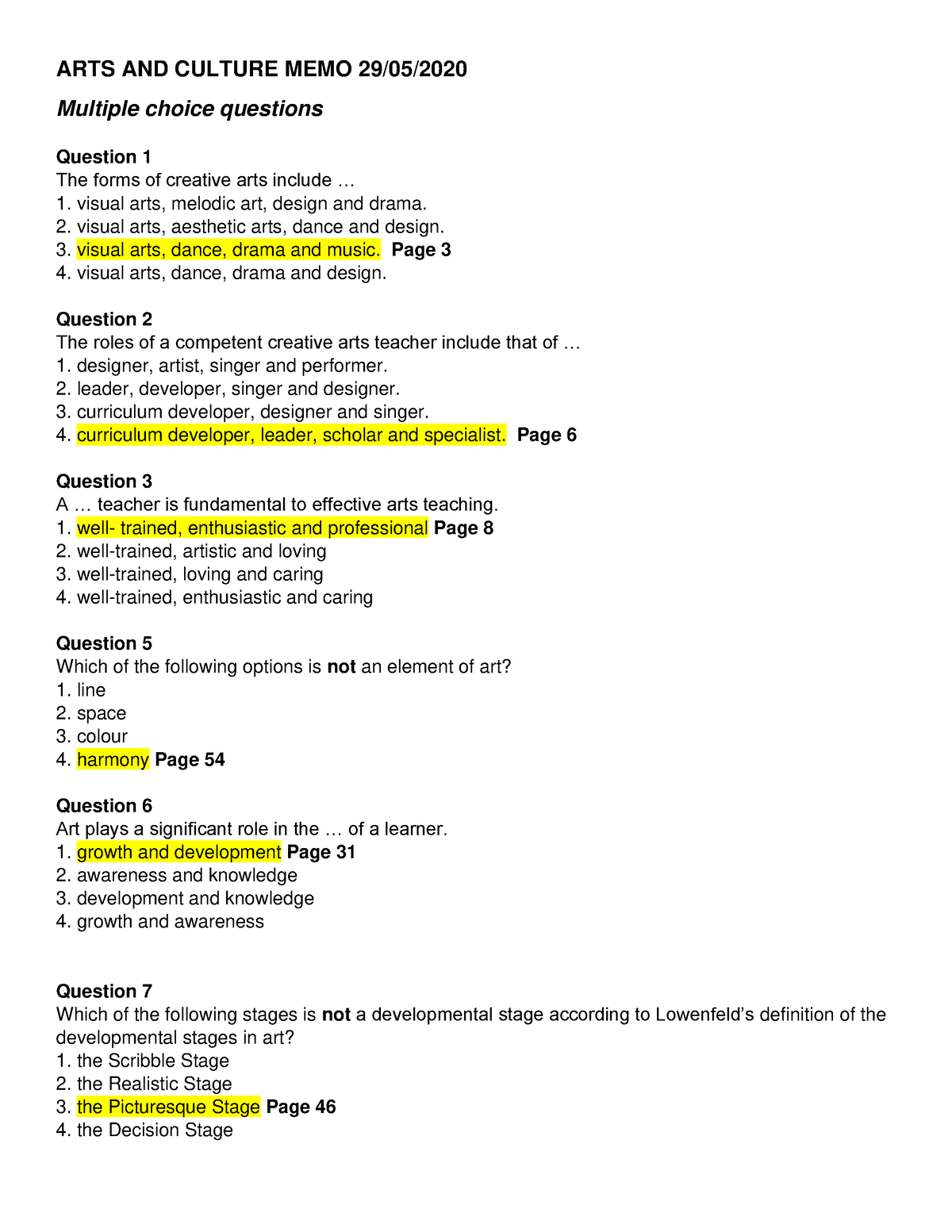
But papers alone won’t cut it. You need the answers. The Department of Basic Education releases memos—official breakdowns of correct responses—shortly after exams. These aren’t just cheat sheets; they’re your post-mortem. Compare your work to theirs. See where you went wrong. Turn mistakes into lessons.
Find the memos for the same papers:
2022 Paper 1 Memo – Know exactly what “good” looks like
—
The question isn’t *if* you’ll use these—it’s *how smartly*. Here’s how to turn them into your secret weapon:
First, read the papers like a script. Notice the rhythm. The questions aren’t random—they’re designed to test specific skills. Paper 1 might demand cold analysis of a scene; Paper 2 could challenge you to create something from scratch. Understand the pattern, and you’ll anticipate what’s coming.
Next, treat them like real exams. Set a timer. No peeking at notes. Force yourself to answer under pressure. Time management in Dramatic Arts isn’t just about speed—it’s about knowing when to pause, when to improvise, and when to commit to an answer.
Then, use the memos to sharpen your edge. Spot where you lost marks. Was it in interpretation? Structure? Originality? Double down on those weak spots. Memos aren’t just answers—they’re roadmaps to improvement.
Finally, develop your own strategies. Some students thrive under silence; others need background noise. Some prefer scribbling notes; others memorize key lines. Find what works for you and stick to it. Consistency beats last-minute scrambling every time.
—
No shortcuts. No magic. Just hard work—and the right tools to make it count. Students who treat these papers and memos like training ground, not cram sessions, will walk into their exams knowing they’ve prepared for every twist. That’s the difference between guessing and excelling.